 |
PrimeCare of Novi Volume 1, Issue 5 June 2011 |
|||||||||||||||||||||||||||||||||||||||||||
|
JUNE IS NATIONAL MEN'S HEALTH MONTH Raising “Good” Cholesterol Levels Fails Again to Reduce Heart Disease Risks The National Heart, Lung, and Blood Institute (NHLBI) of the National
Institutes of Health has stopped a clinical trial studying a blood lipid
treatment 18 months earlier than planned. The trial found that adding high dose,
extended-release niacin to statin treatment in people with heart and vascular
disease, did not reduce the risk of cardiovascular events, includin The latest setback for this approach came today when the US National Heart, Lung, and Blood Institute (NHLBI) announced that it was stopping a clinical trial evaluating the use of high-dose extended-release niacin in patients with heart and vascular disease who were also taking a statin to lower their level of low-density lipoprotein cholesterol, the “bad” cholesterol. The reason: study participants taking the niacin along with the statin were just as likely as those taking only the statin to experience a cardiovascular event such as a heart attack or stroke. In the AIM-HIGH trial, which enrolled 3414 patients beginning in 2006, about half of the patients received extended-release niacin (Niaspan) plus simvastatin (Zocor) and the other half received a placebo plus simvastatin. Although the trial was intended to follow-up the participants into 2012, the study’s independent data and safety monitoring board concluded in April that the extended-release niacin offered no benefits beyond statin therapy alone in reducing cardiovascular-related problems. Physicians often recommend a prescription form of niacin, or vitamin B3, to patients with low blood levels of high-density lipoprotein cholesterol (HDL-C), the “good” cholesterol, based on the presumption that doing so protects against heart disease. But rigorous research proving that such increases are protective has been lacking. The safety board also noted a small and unexplained increase in stroke rate in the group of patients taking the niacin, which added to the NHLBI’s decision to stop the trial. The US Food and Drug Administration issued a statement saying that it will look at the complete details of the AIM-HIGH study, which are expected to be made available this fall, before it offers any new conclusions or recommendations regarding the use of extended-release niacin alone or in combination with statins. Based on the AIM-HIGH trial’s findings, extended-release niacin joins a list of other drugs such as fenofibrate and torcetrapib that raise HDL-C levels but do not decrease heart disease risk. - Adapted from News@ JAMA.org original article at: http://www.nih.gov/news/health/may2011/nhlbi-26.htm FDA issues warning for Use of High-Dose (80 mg) Simvastatin
The US Food and Drug Administration
Heavy drinking is associated with an increased risk of pancreatic cancer, according to results from a study by Susan M. Gapstur, PhD, MPH, of the American Cancer Society and her colleagues. Daily consumption of 3 to 4 drinks of hard (distilled) liquor is associated with an increased risk of pancreatic cancer, even for those individuals who have never smoked, according to results from a massive prospective study published recently in the Archives of Internal Medicine More than 1 million people were followed for more than 20 years to complete this study. The fact that alcohol consumption alone increased pancreatic cancer rates is news. Tobacco consumption has long been known to be a risk factor for pancreatic cancer. These results strengthen the evidence that alcohol consumption, specifically liquor consumption of 3 or more drinks per day, increases pancreatic cancer mortality independent of smoking.
Sleep Loss May Lower TestosteroneLack of Sleep Lowers Testosterone Levels in Young Men, Study Finds
By
Jennifer Warner Reviewed by Laura J. Martin, MD
June 3, 2011 -- Cutting back on sleep, even for a little while, may have a dramatic effect on men's testosterone levels. A preliminary new study shows a week of sleep loss lowered testosterone levels by up to 15% in group of healthy young men. Researchers say low testosterone levels can negatively affect men's health in a variety of ways, in addition to affecting sexual behavior. For example, very low testosterone levels or testosterone deficiency is associated with low energy, reduced libido, poor concentration, and fatigue. Testosterone is also critical to building muscle mass and strength and bone density. Testosterone levels naturally decline in men aged 40 and over by about 1% to 2% per year. Here’s a link to a slide show to improve sleep. http://www.webmd.com/sleep-disorders/sleep-benefits-10/slideshow-sleep-tips 'Food Pyramid' Out, ‘My Plate’ in for Healthy Eating
|
||||||||||||||||||||||||||||||||||||||||||||
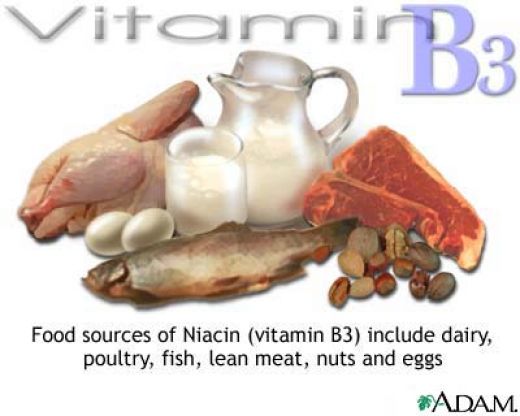 g heart
attacks and stroke. So far, studies have found no evidence that drugs that have
been shown to increase levels of high-density lipoprotein cholesterol—the
so-called good cholesterol—actually help protect against cardiovascular events
such as a heart attack or stroke.
g heart
attacks and stroke. So far, studies have found no evidence that drugs that have
been shown to increase levels of high-density lipoprotein cholesterol—the
so-called good cholesterol—actually help protect against cardiovascular events
such as a heart attack or stroke. 


|
|
The Obama administration is about to ditch the food pyramid, that symbol of healthy eating for the last two decades. In its place officials are dishing up a simple, plate-shaped symbol, sliced into wedges for the basic food groups and half-filled with fruits and vegetables. The new MyPlate icon is a plate split into four sections, each representing a different type of food (protein, whole grains, fruits and vegetables). The sections vary in size depending on the recommended portion of each food a person should eat. A circle shape next to the plate represents dairy products, especially milk. Viewing the icon online allows consumers to click on each section of the plate for more information. |
|
|
|
Balancing Calories |
|
|
|
● |
Enjoy your food, but eat less. |
|
|
● |
Avoid oversized portions. |
|
|
||
|
|
Foods to Increase |
|
|
|
● |
Make half your plate fruits and vegetables. |
|
|
● |
Make at least half your grains whole grains. |
|
|
● |
Switch to fat-free or low-fat (1%) milk. |
|
|
||
|
|
Foods to Reduce |
|
|
|
● |
Compare sodium in foods like soup, bread, and frozen meals ― and choose the foods with lower numbers. |
|
|
● |
Drink water instead of sugary drinks. |
Few nutritionists will mourn the passing of the pyramid, which, while instantly recognized by millions of American school kids, parents and consumers, was derided by nutritionists as too confusing and deeply flawed because it did not distinguish clearly between healthy foods like whole grains and fish and less healthy choices like white bread and bacon. A version of the pyramid currently appearing on cereal boxes, frozen dinners and other foods has been so streamlined and stripped of information that many people have no idea what it represents.
Dr. Post said the U.S.D.A. had spent about $2 million to develop and promote the logo, including conducting research and focus groups and creating a Web site. Some of that money will also be used for the first year of a campaign to publicize the image. He said the agency would use the plate to get across several basic nutritional messages, including urging consumers to eat smaller portions, switch to low-fat or fat-free milk and drink water instead of sugary drinks.
The food pyramid has a long and tangled history. Its original version showed a hierarchy of foods, with those that made up the largest portions of a recommended diet, like grains, fruit and vegetables, closest to the wide base. Foods that were to be eaten in smaller quantities, like dairy and meat, were closer to the pyramid’s tapering top. But the pyramid’s original release was held back over complaints from the meat and dairy industry that their products were being stigmatized. It was released with minor changes in 1992.
A revised pyramid was released in 2005. Called MyPyramid, it turned the old hierarchy on its side, with vertical brightly colored strips standing in for the different food groups. It also showed a stick figure running up the side to emphasize the need for exercise.
But the new pyramid was widely viewed as hard to understand. The Obama administration began talking about getting rid of it as early as last summer. At that time, a group of public health experts, nutritionists, food industry representatives and design professionals were invited to a meeting in Washington where they were asked to discuss possible alternative symbols. One option was a plate.
PrimeCare of Novi
Contact information:
39555 W. Ten Mile Road,
Suite 302,
Novi
Phone:
(248) 426-7200
Follow prompts after hours to speak to on-call doctor
Fax:
(248) 426-7335
Subscribe to our newsletter
or find us on the web @
www.primecareofmi.com
Twitter
www.twitter.com/ primecarenovi

Hours of operation:
Friday
Saturday
8-3:00pm
9-2:00pm
Editor: Maria McCuean
Nancy’s Quote
Joy is never in things. It is in us!
Krueger's Corner
Post-Partum Depression: Not Just For Moms
While post-partum depression is well-recognized in moms, many are unaware that at least 1 in 10 dads also suffer from depression after the birth of their child. The reasons are similar: sudden and unexpected lifestyle changes, along with sleepless nights. This can create tension between parents and isolation from friends. Classic symptoms are a sad mood, withdrawal from friends, fatigue, and trouble concentrating. But men, even more so, may become irritable, aggressive or hostile. They may work longer hours, or increase their use of alcohol or drugs. The good news is that this can be treated! Some tips are to attend parent classes and support groups for new dads. It is also important to share childcare duties between parents , and to ask family members or sitters for help too. The key is to be aware that post-partum depression in men is real, and to talk to your doctor early.
Special points of interest:
* Make sure you are keeping up with your
routine visits.
* Don’t forget to give at least 24 hour notice
if you are unable to keep your appointment.
* Just a reminder that Co-pays are due at
check-in the day of service.
* It is helpful if you can bring in your
medications during your physical.
by Susan Decker LMSW

Men and Depression
In light of research indicating that suicide is often associated with depression, the alarming suicide rate among men may reflect the fact that men are less likely to seek treatment for depression. Many men with depression do not obtain adequate diagnosis and treatment. Sometimes, men have difficulty asking for help, or seeking appropriate treatment, and may turn to alcohol or other drugs when they are depressed. Men can respond to depression in various ways. They may become frustrated, discouraged, angry, irritable and, sometimes, violent. Some men may deal with depression by becoming consumed in their work. Others may respond to depression by engaging in reckless behavior or other risk-taking behaviors. Yet other men may feel sad, unmotivated, and have difficulty working or engaging in everyday activities.
Family, friends, and others can play important roles in recognizing depressive symptoms in men and helping them get treatment. You may already know some of the emotional symptoms of depression, such as:
-
Feeling sad, empty, hopeless, or numb. These feelings can occur most of the day, every day.
-
Loss of interest in things you used to enjoy.
-
Irritability, anxiety, feeling restless, or difficulty relaxing.
-
Trouble making decisions, difficulty thinking clearly, or trouble concentrating.
-
Feeling guilty or worthless.
-
Thoughts of suicide or death. Any thoughts or actions that suggest “ending it all” need to be taken seriously. You can ask this question to the depressed individual directly. It is a common myth that bringing up the subject about suicide means someone may actually do it. It is important to identify the potential for suicide by asking someone if they are thinking of killing themselves in order to get immediate, appropriate treatment. Asking this question can be life saving.
Many times, depression in men can present itself in the form of more physical symptoms but it is common that depressive symptoms include both emotional and physical symptoms. Physical symptoms can include:
-
Headaches.
-
Back pain.
-
Muscle aches and joint pain.
-
Chest pain. Obviously, it's very important to get chest pain checked out right away as it can be a sign of a serious health problem. However, depression can contribute to chest pain.
-
Digestive problems.
-
Exhaustion and fatigue.
-
Sleeping problems.
-
Change in appetite or weight.
-
Dizziness or lightheadedness.

These symptoms can occur with many conditions. As a result, many depressed men never get help because they don't know that their physical symptoms might be caused by depression.
The good news is that depression is a treatable condition that responds to a variety of treatments. If you are having symptoms of depression or know someone who is, please contact the office for an appointment.
SOURCE: National Institutes of Health (www.nih.gov)
WebView
We encourage you to call our office and ask about WebView! We are now allowing all patients to review their records online and to communicate with staff. This will be our preferred mode of communication in that it provides a secure e-mail and way to contact us. You can request appointments, review labs, speak with staff and physicians. This allows us to be more efficient in the office and allows us to respond to you immediately. Please call us if you would like to try it out!
Supplements
Did you know that we provide a source for you to purchase high-quality vitamins, pro-biotics, Vitamin D, Glucosamine and fish oil. Ask at the check-out window the next time you are in the office.
Aviation Medical Examinations
Are you a pilot? Do you know that Dr. Zaid can provide your Aviation Medical Exams? Dr. Shively will spend a week in Oklahoma City in mid-June in order to also become a FAA-certified Flight Surgeon. Come fly with us! Part of the week-long course involves experiencing a simulation of what happens when aircraft cabins loose oxygen pressure.